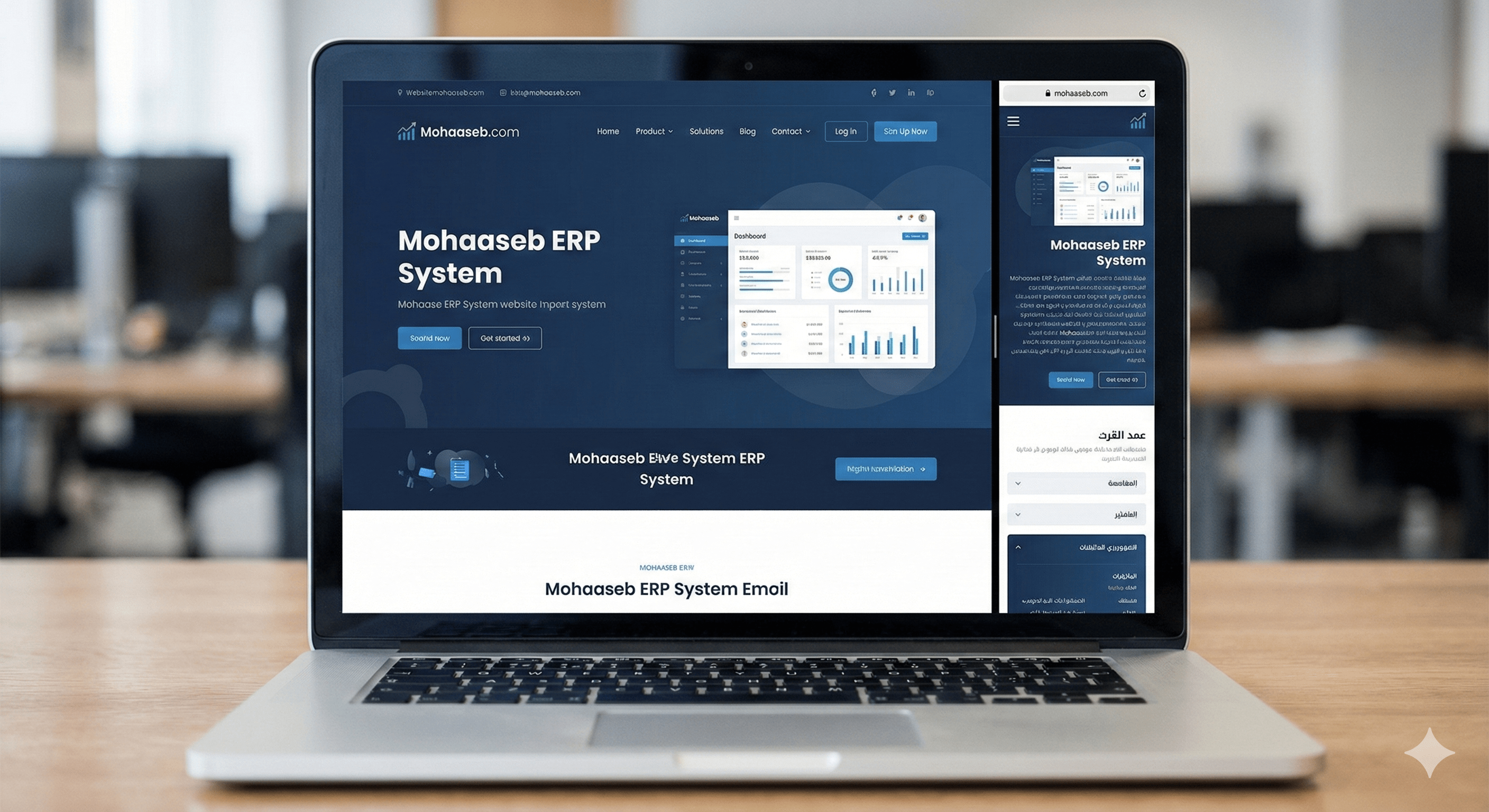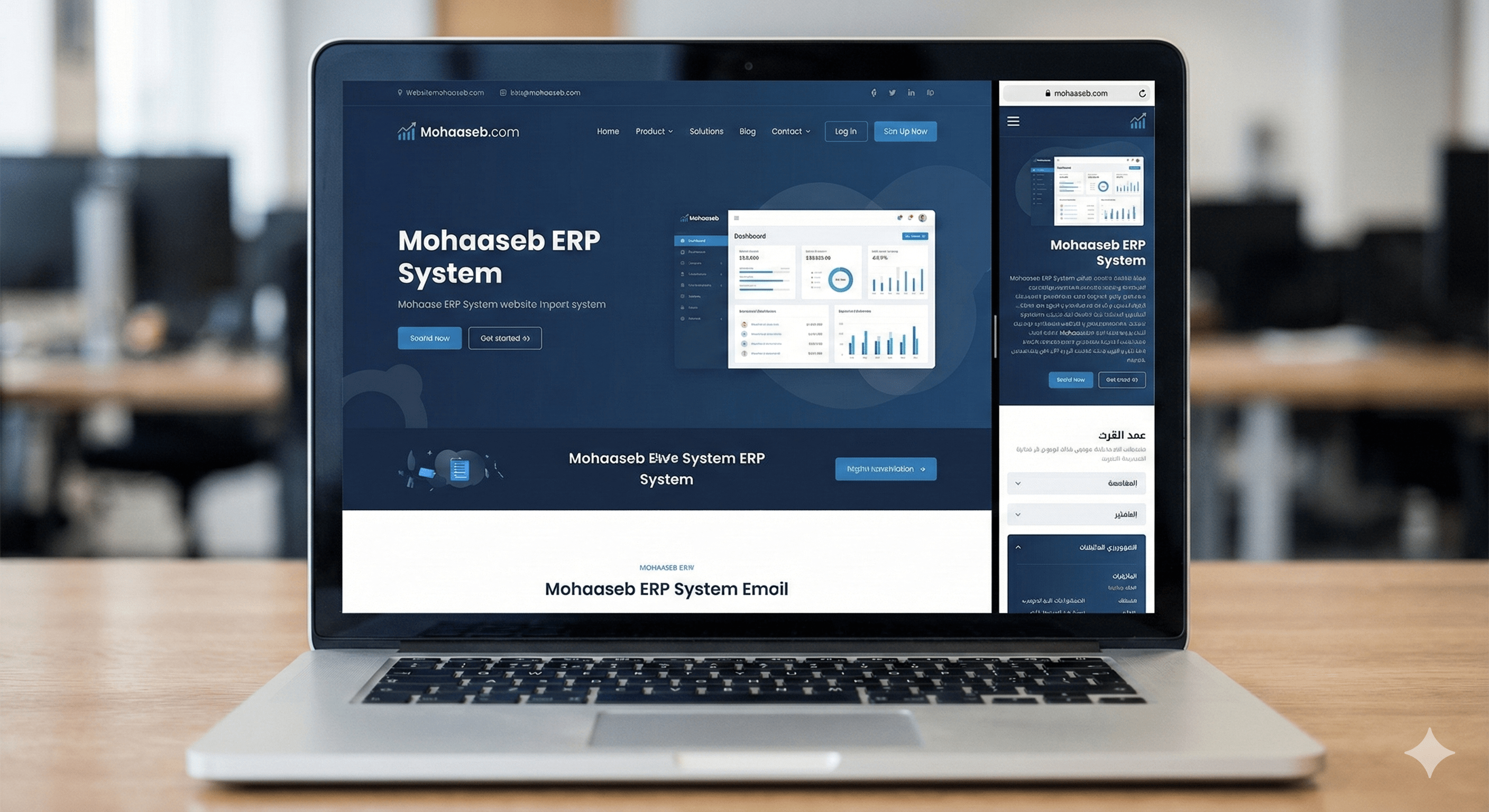
Mohaaseb.com — POS, Inventory & ERP Operations
A practical overview of how a modern pos system, inventory managment, and erp system work together to control sales, purchase, and stocks with accuracy.
Published: · Reading time: ~6–8 minutes
What this guide is about
This page summarizes the core workflows teams expect from an all-in-one business platform like Mohaaseb.com: selling, buying, stock control, accounting entries, and decision-ready analytics.
POS system: fast selling with control
A good pos system makes checkout quick while keeping data clean for finance and inventory. Typical capabilities include:
- sales invoices and returns
- Customer profiles and pricing rules (where needed)
- Cash, card, and mixed payments
- Automatic stock deduction from the selected warehouse/store
Purchase workflow: receiving, costs, and availability
The purchase cycle is the backbone of inventory availability and cost accuracy. Common steps are:
- Create a supplier purchase order (optional)
- Receive items into stocks (warehouse/store)
- Post supplier invoices and track payables
- Update average cost / valuation depending on your method
Inventory managment: day-to-day stock accuracy
inventory managment is about knowing what you have, where it is, and why it changed. Critical operations include:
- stock transfer between warehouses/branches
- stock adjustments for damage, expiry, shrinkage, or recounts
- Batch/serial tracking (if your business needs it)
- Reorder levels and low-stock alerts
ERP system: connect departments into one source of truth
An erp system ties together POS, purchasing, inventory, and accounting so operations and finance agree. The biggest benefit is fewer manual reconciliations and fewer reporting gaps.
Double entry transactions: accounting you can audit
Accurate bookkeeping relies on double entry transactions. In practice, each business event posts balanced debit/credit entries so your financial statements remain consistent.
Examples include posting revenue from sales, recording inventory value changes from receipts, and reconciling payments against invoices.
Reports: operational and financial visibility
Reliable reports help managers make decisions quickly. Typical report sets include:
- Daily sales summaries and cashier performance
- purchase history by supplier and item
- stocks on hand, valuation, and movement
- stock transfer logs and transfer status
- stock adjustments by reason and warehouse